Introduction
Bangladesh experiences frequent thunderstorms and lightning strikes, especially during the monsoon season. Every year, numerous buildings, factories, and electrical systems suffer damage due to lightning-induced surges. To minimize these risks, installing a lightning arrester has become an essential part of modern electrical safety systems. In this article, we will discuss the lightning arrester price in Bangladesh, types of lightning arresters, installation costs, and factors that influence the price.
What is a Lightning Arrester?
A lightning arrester is a protective electrical device that prevents high-voltage lightning surges from damaging electrical equipment and structures. It works by diverting the excess electrical energy safely to the ground before it reaches sensitive circuits or structures.
In simple terms, when lightning strikes near a building, the arrester provides a direct path for the lightning current to discharge harmlessly into the earth, thereby protecting the electrical system and the people inside the building.
Why Lightning Protection is Important in Bangladesh
Bangladesh is among the countries most affected by lightning strikes due to its tropical climate and high humidity. According to recent meteorological reports, hundreds of people die each year from lightning-related incidents. Urban areas with tall buildings and industrial zones are at particularly high risk.
Installing a lightning protection system with a reliable lightning arrester not only safeguards electrical infrastructure but also ensures the safety of human lives. It also helps prevent costly damage to property, production machinery, and communication networks.
Types of Lightning Arresters Available in Bangladesh
The price of a lightning arrester in Bangladesh depends largely on the type of arrester used. Below are the most common types available in the local market:
1. Rod Type (Conventional) Lightning Arrester
This is the most common and affordable type of lightning arrester used for homes and small buildings. It consists of a metal rod placed at the highest point of a structure, connected to a grounding system via copper wire.
- Price Range: BDT 3,000 – 10,000
- Best For: Residential houses, small offices, and rural installations.
2. ESE (Early Streamer Emission) Lightning Arrester
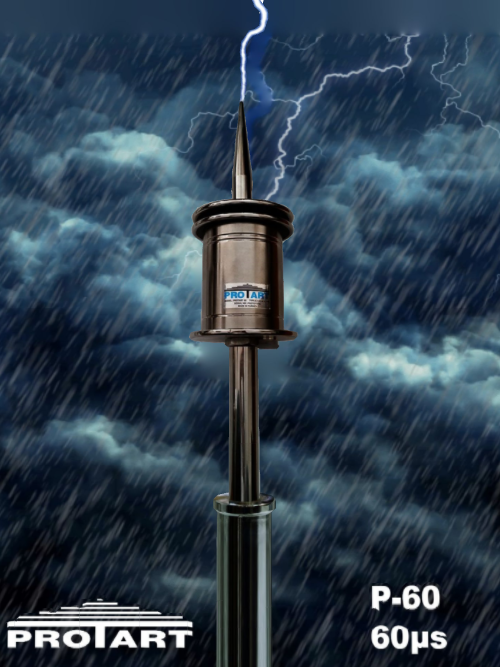
ESE arresters are advanced systems designed for wider protection coverage. These are often used in commercial buildings, factories, and industrial areas. They can attract lightning strikes from a greater distance, offering enhanced safety.
- Price Range: BDT 20,000 – 50,000 (depending on brand and protection radius)
- Best For: Large buildings, factories, telecom towers, and warehouses.
3. Station Class Lightning Arrester
These are heavy-duty arresters used in substations and large-scale electrical installations. They can handle extremely high voltages and are designed for continuous industrial operation.
- Price Range: BDT 40,000 – 100,000+
- Best For: Power plants, substations, and industrial electrical systems.
4. Distribution Class Lightning Arrester
These are medium-voltage devices used in electrical distribution networks to protect transformers and power lines.
- Price Range: BDT 10,000 – 25,000
- Best For: Utility and power distribution systems.
Factors Affecting Lightning Arrester Price in Bangladesh
Several factors influence the lightning arrester price in Bangladesh. Understanding these helps customers choose the right product for their needs and budget.
1. Type of Arrester
As discussed, conventional arresters are cheaper, while ESE and industrial types cost more due to their technology and higher protection range.
2. Brand and Country of Origin
Lightning arresters imported from countries like France, India, or China vary in price. European brands are usually more expensive but come with higher durability and certification standards.
3. Material Quality
Copper-based grounding systems and stainless-steel rods increase the cost but provide longer service life and better conductivity.
4. Protection Radius and Height
ESE arresters with a higher protection radius (such as 45m or 60m) cost more than basic 15m radius models. The installation height also affects performance and cost.
5. Installation and Accessories
Installation cost includes earthing materials, grounding rods, copper tape, air terminals, and professional labor charges. A complete system setup can sometimes double the total expense.
Lightning Arrester Installation Cost in Bangladesh
While the arrester itself is an important investment, proper installation is equally vital. Professional installation ensures the device functions correctly and meets international safety standards.
The installation cost of a lightning arrester in Bangladesh typically ranges between BDT 5,000 and 30,000, depending on the building type, height, and complexity of the earthing system.
For residential systems, a single-rod setup may cost around BDT 8,000–12,000, while industrial ESE systems with full earthing and grounding can cost BDT 50,000–80,000 including materials and labor.

Average Lightning Arrester Price in Bangladesh (2025 Update)
| Type of Arrester | Application | Price Range (BDT) |
|---|---|---|
| Rod Type (Conventional) | Home/Office | 3,000 – 10,000 |
| ESE Arrester | Industrial/Commercial | 20,000 – 50,000 |
| Distribution Class | Power Distribution | 10,000 – 25,000 |
| Station Class | Substation/Factory | 40,000 – 100,000+ |
Note: Prices may vary based on brand, installation area, and additional accessories
How to Choose the Right Lightning Arrester
Choosing the right lightning arrester depends on several factors:
- Building Height and Structure: Taller buildings require a wider protection radius and a stronger arrester.
- Geographical Location: Areas prone to frequent lightning strikes need advanced systems like ESE.
- Budget: For small homes, a conventional rod-type arrester is cost-effective, while factories should invest in ESE or station-class models.
- Brand and Certification: Always choose products that comply with IEC 62305 or equivalent international lightning protection standards.
Benefits of Installing a Lightning Arrester
Installing a lightning arrester offers several benefits:
- Prevents fire and structural damage caused by direct lightning strikes.
- Protects electrical appliances and equipment from voltage surges.
- Increases the lifespan of electrical systems.
- Ensures safety for people inside the building.
- Reduces maintenance costs and unexpected downtime in industries.
Maintenance and Safety Tips
After installation, regular maintenance ensures the arrester remains effective. Here are some simple tips:
- Inspect the system every 6–12 months for corrosion or loose connections.
- Ensure the ground resistance is below 10 ohms for efficient discharge.
- Replace damaged or worn-out conductors immediately.
- Keep records of installation and testing reports for compliance.
Where to Buy Lightning Arresters in Bangladesh
Lightning arresters are available in most electrical equipment shops and engineering supply companies across Dhaka, Chittagong, and other major cities. Many suppliers also offer online ordering and nationwide delivery. When buying, always check for:
- Product warranty and certification
- Proper grounding materials
- Professional installation support
Some popular areas for purchasing lightning arresters in Dhaka include Nawabpur, Tejgaon, and Elephant Road, where both local and imported brands are available.
Future Trends of Lightning Protection in Bangladesh
With the rapid growth of industrial infrastructure, smart buildings, and renewable energy systems, the demand for advanced ESE lightning arresters is expected to rise in Bangladesh. Many new construction projects now include lightning protection systems as a mandatory safety measure.
Government institutions and private developers are also adopting international lightning safety standards, making the market more competitive and price-stable.
Conclusion
The lightning arrester price in Bangladesh depends on the type, brand, and installation quality. While basic rod-type arresters start from around BDT 3,000, advanced ESE and industrial systems can exceed BDT 50,000. Investing in a high-quality lightning protection system is a small price to pay for protecting valuable assets, electrical infrastructure, and human lives.
Before purchasing, evaluate your building’s structure, required protection level, and budget. A properly installed lightning arrester not only prevents damage but also gives you long-term peace of mind during every thunderstorm season.